Incunabula板印
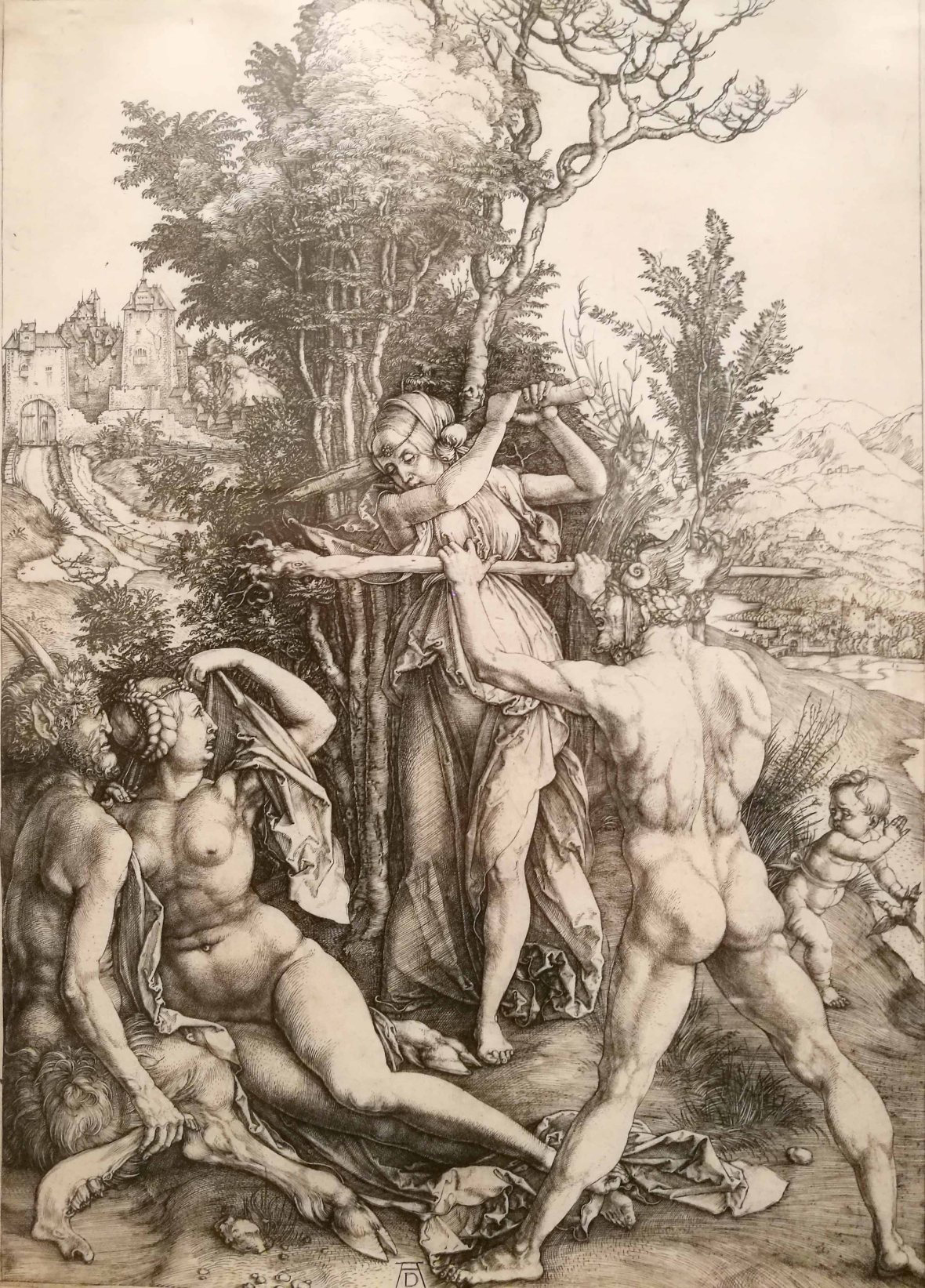
Herculs at the Crossroads 1498
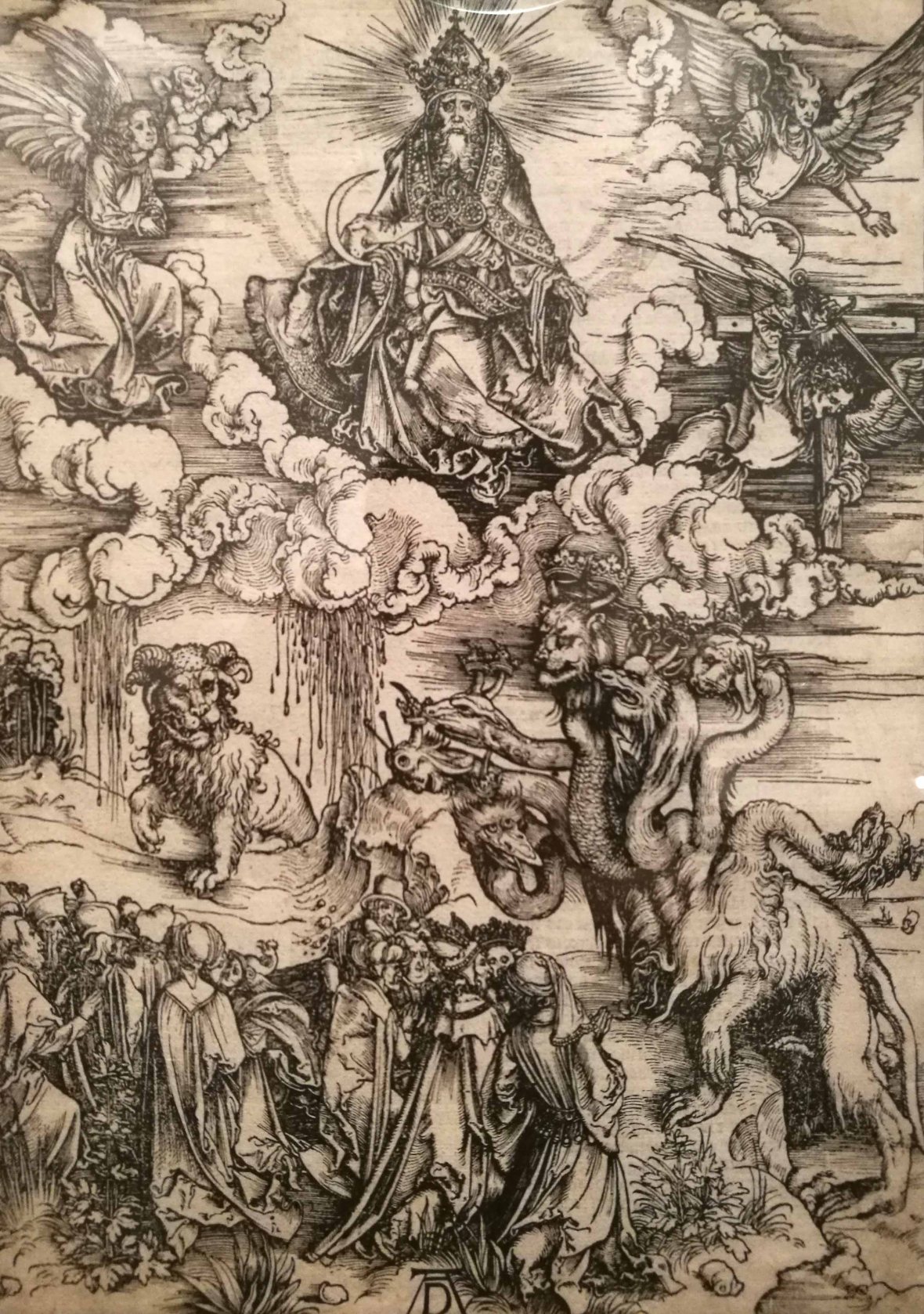
The Beast with Two Horns Like a Lamb 1496
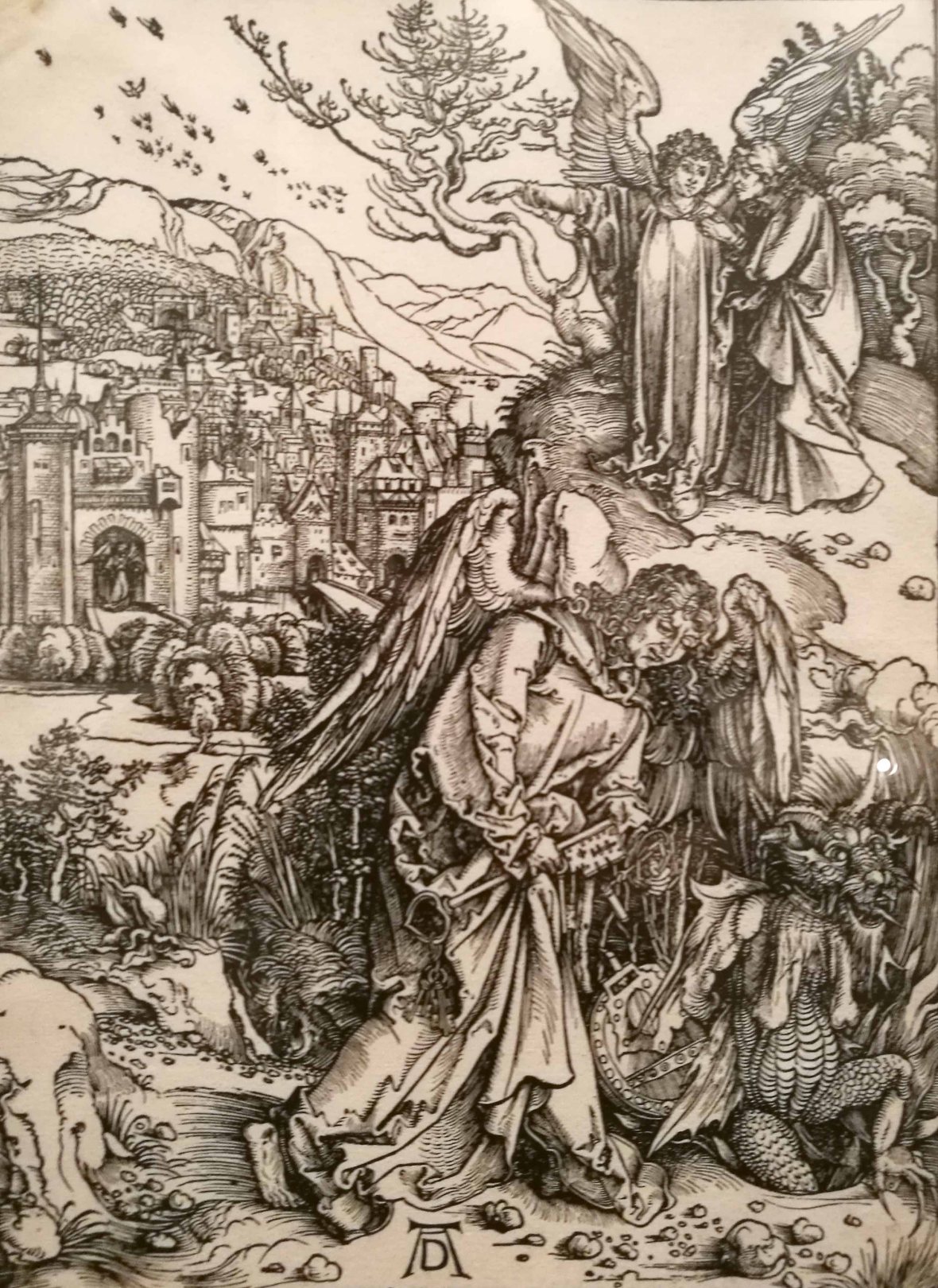
The Angel with the Key to the Bottomless Pit 1496
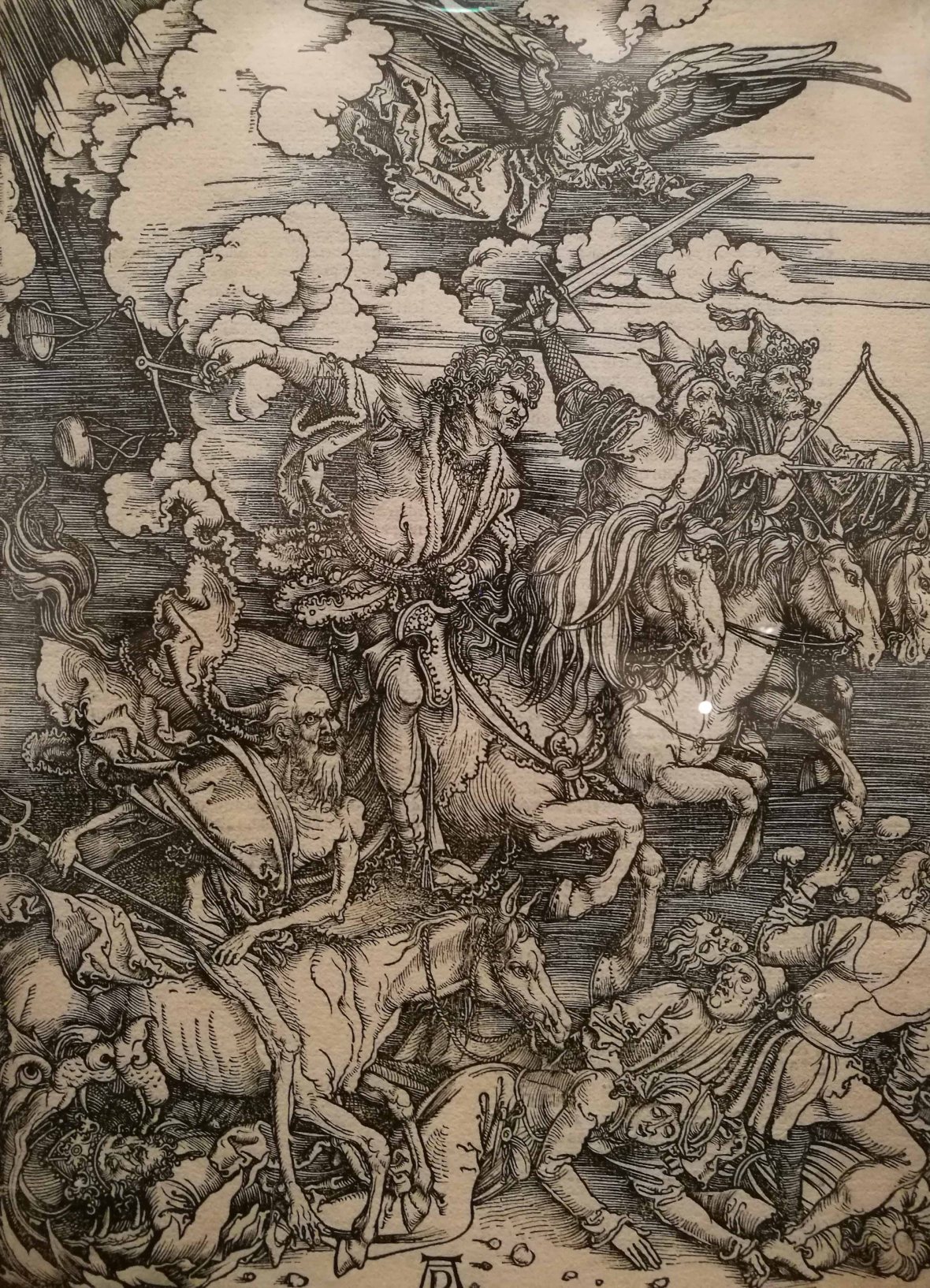
The Four Horsemen of the Apocalypse 1498
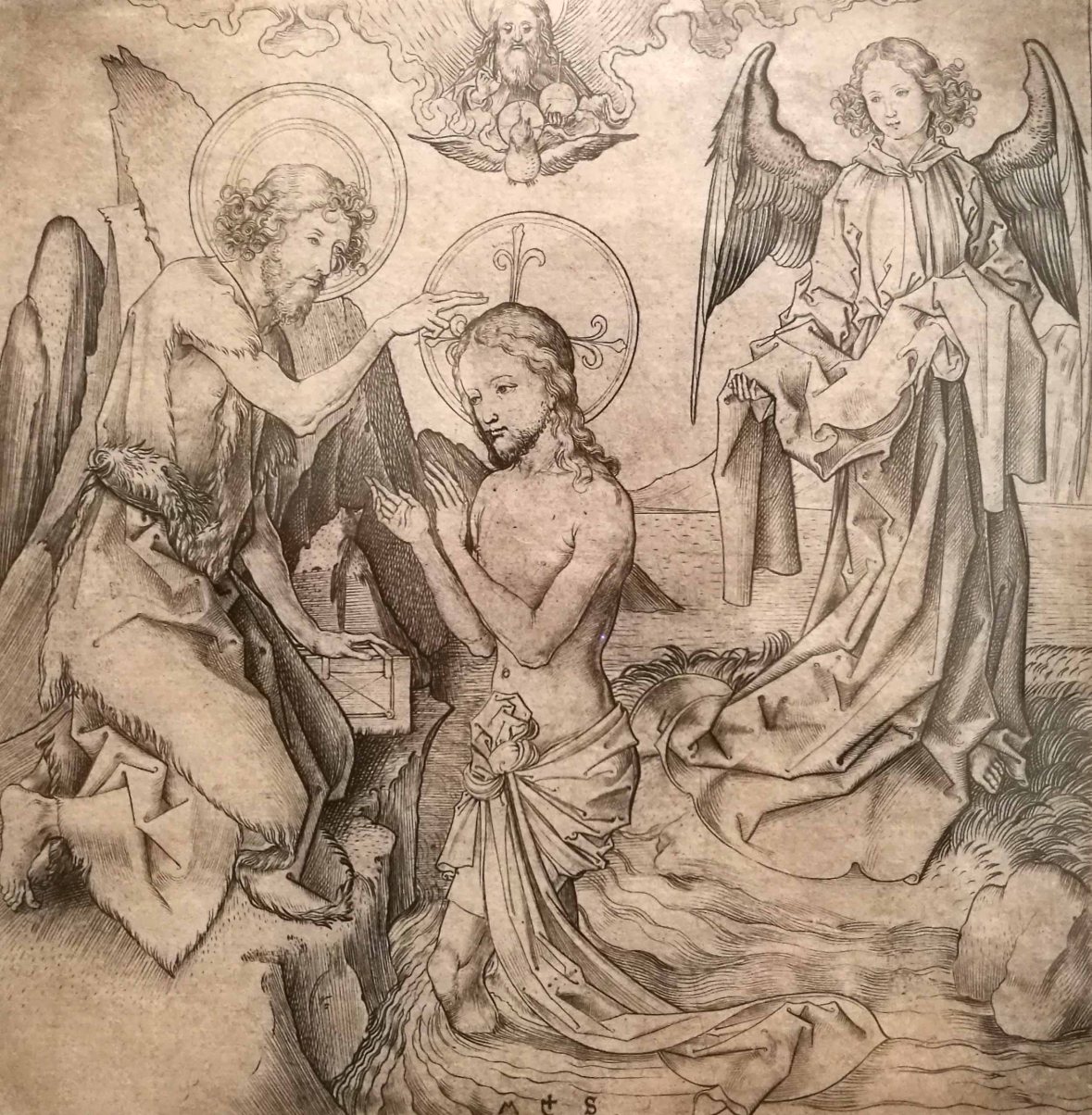
The Baptism of Christ 1485
几个世纪以来人类用动物皮毛制造服装和帐篷,公元前一百年,中国发明了纸,改变了这一切,他们把植物撕碎以制造纤维,排清水后形成毛毡和纸张,这项技术的基本原理在很大程度上至今仍然保持不变。 在欧洲人开始在纸上制作版画的六百年前, 中国人已用版雕来打印文字和图片。
最早的欧洲人是在布料上印刷图像,大约在1150年开始造纸,意大利从1275年也开始改变了印刷材料,在第十四世纪末传到北欧。最早的版画是宗教人物的木刻形象,比较多的是圣母玛利亚和耶稣,大多被粘贴祈祷用的书籍中,因此而有效的得到保存。
印刷文字和图像在1150年的欧洲属于一个特殊类别的工匠,叫做Incunabula,这个词是从拉丁词中派生出来的,泛指襁褓或摇篮,其含义是最早的阶段或最初的痕迹。自1588年,这一术语泛指印刷书籍、小册子和版书,其特点是将文本或图像刻在一个木制块上以印刷书籍,也可能放在可移动的印刷机上完成,例如1455年的Gutenberg圣经。
MMFA 收集目前包括18个Incunabula,这些木刻和版画是由Andrea Mantegna (意大利, 约 1431-1506), Martin Schongauer (德国,约1445-1491), Albrecht Durer (德国,约1471-1528)的作品。他们描绘了文艺复兴时期流行的宗教、神话轶事题材,它们照亮了那个时代的视觉文化,以及代表了从木刻到雕刻的早期版画技术的演变。
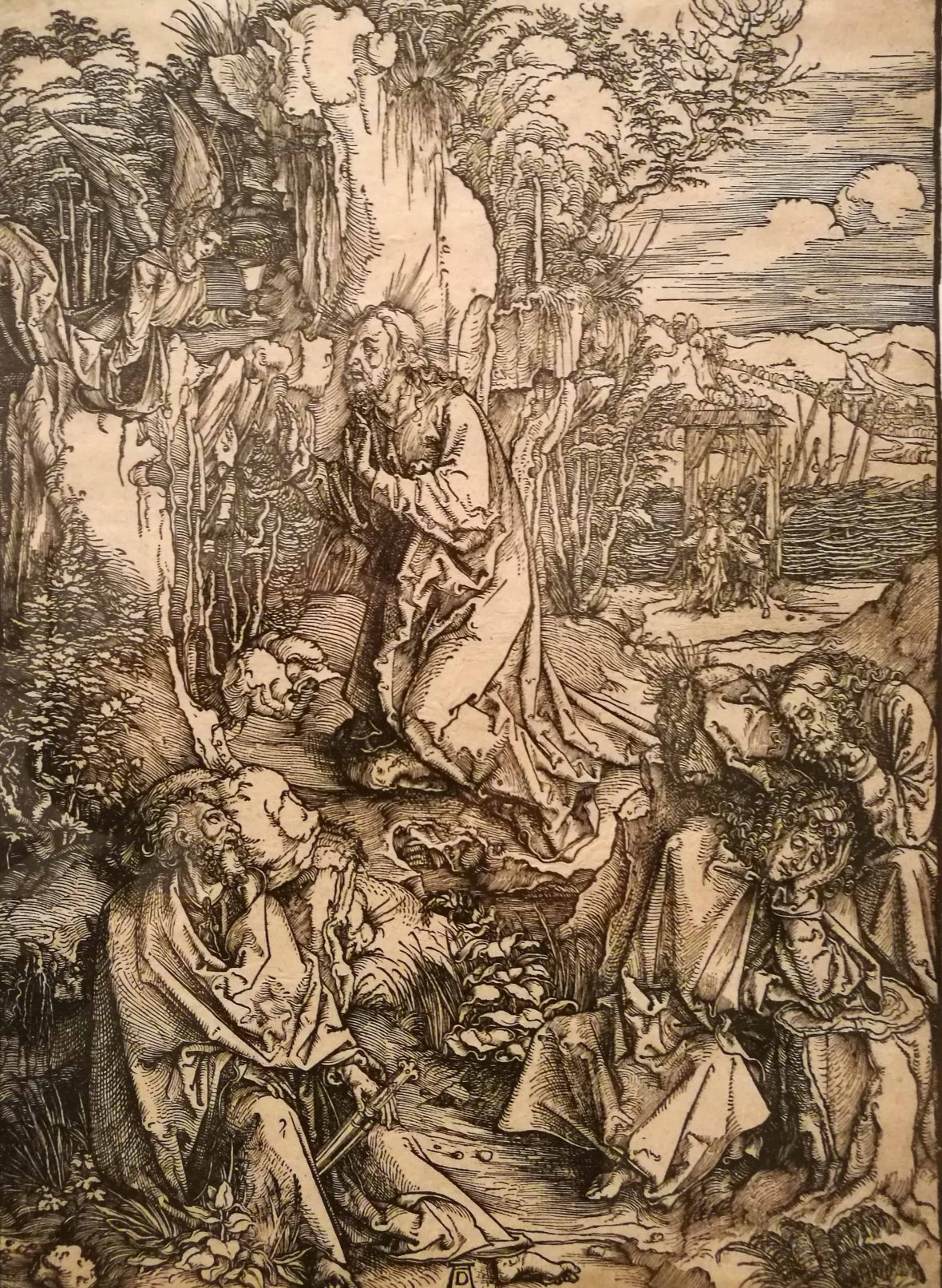
The Agony in the Garden 1496
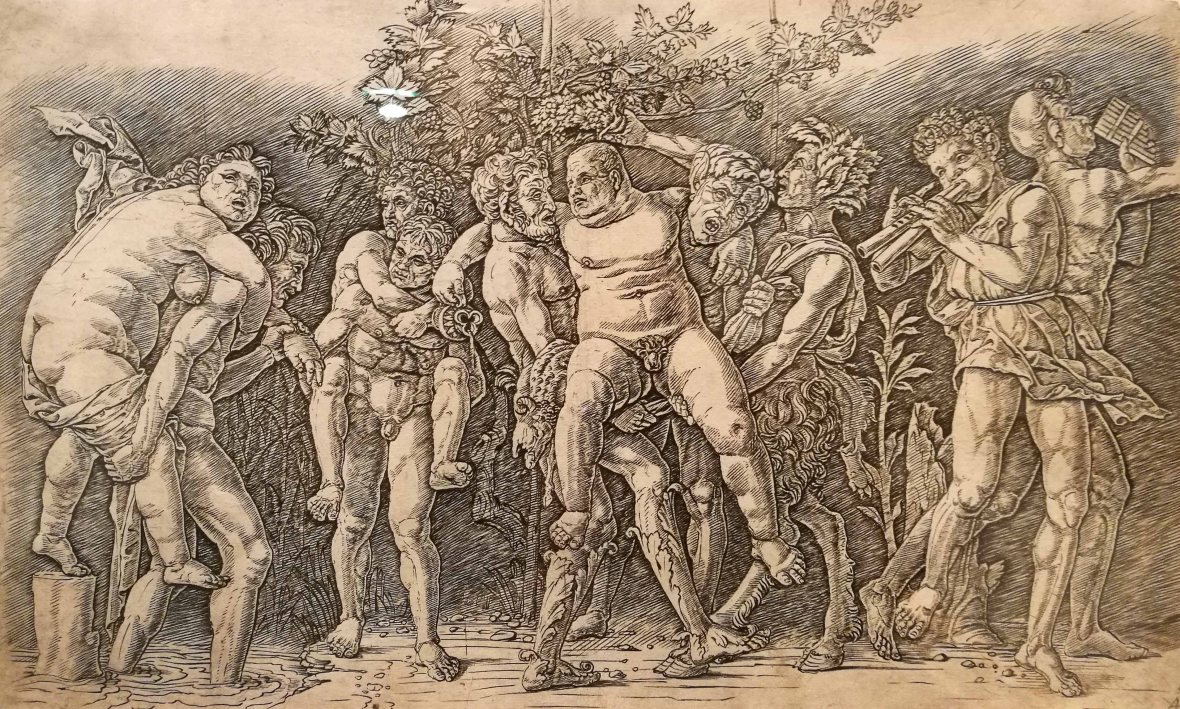
Bacchanal with Silenus 1485
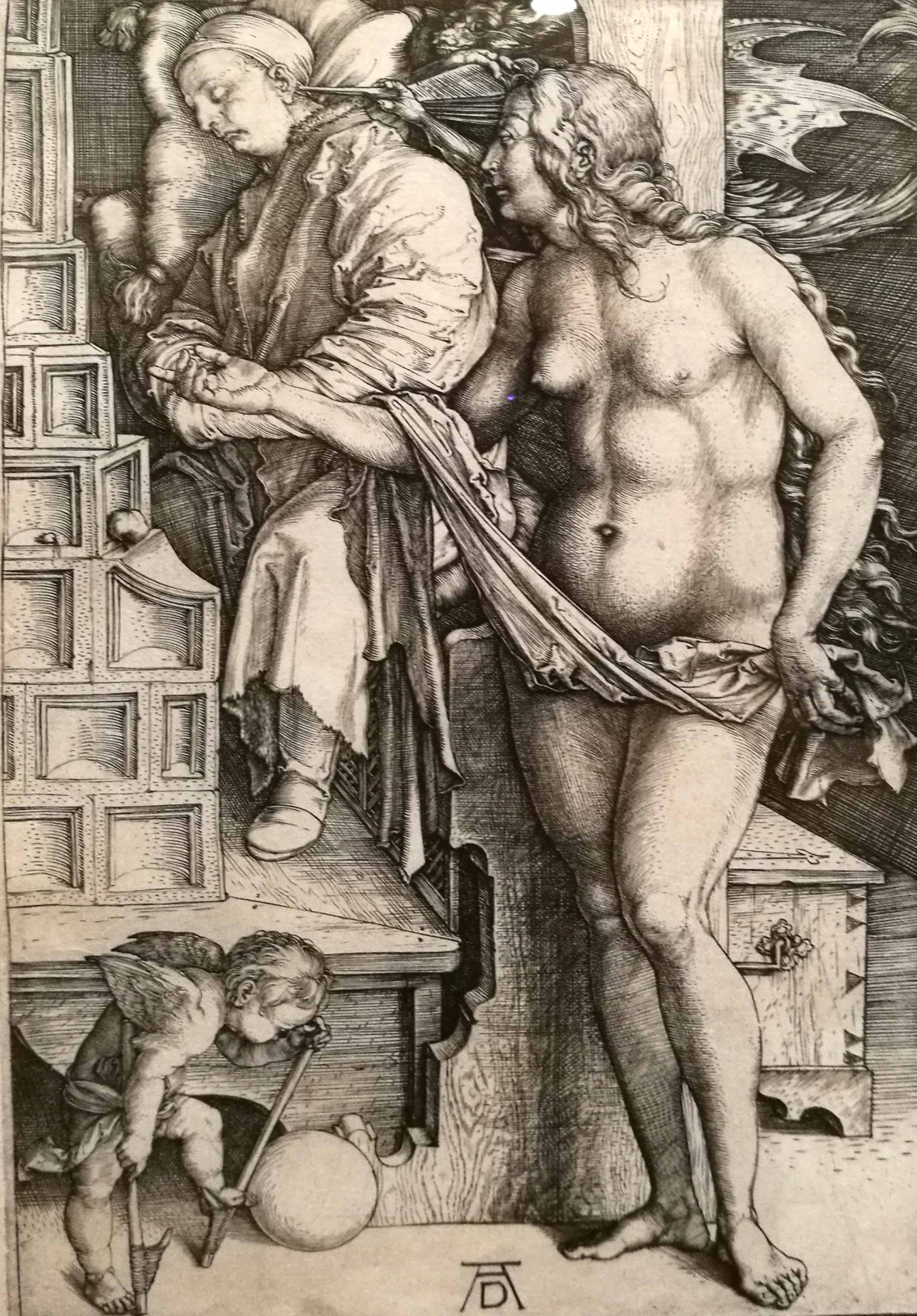
The Temptation of the Idler 1498
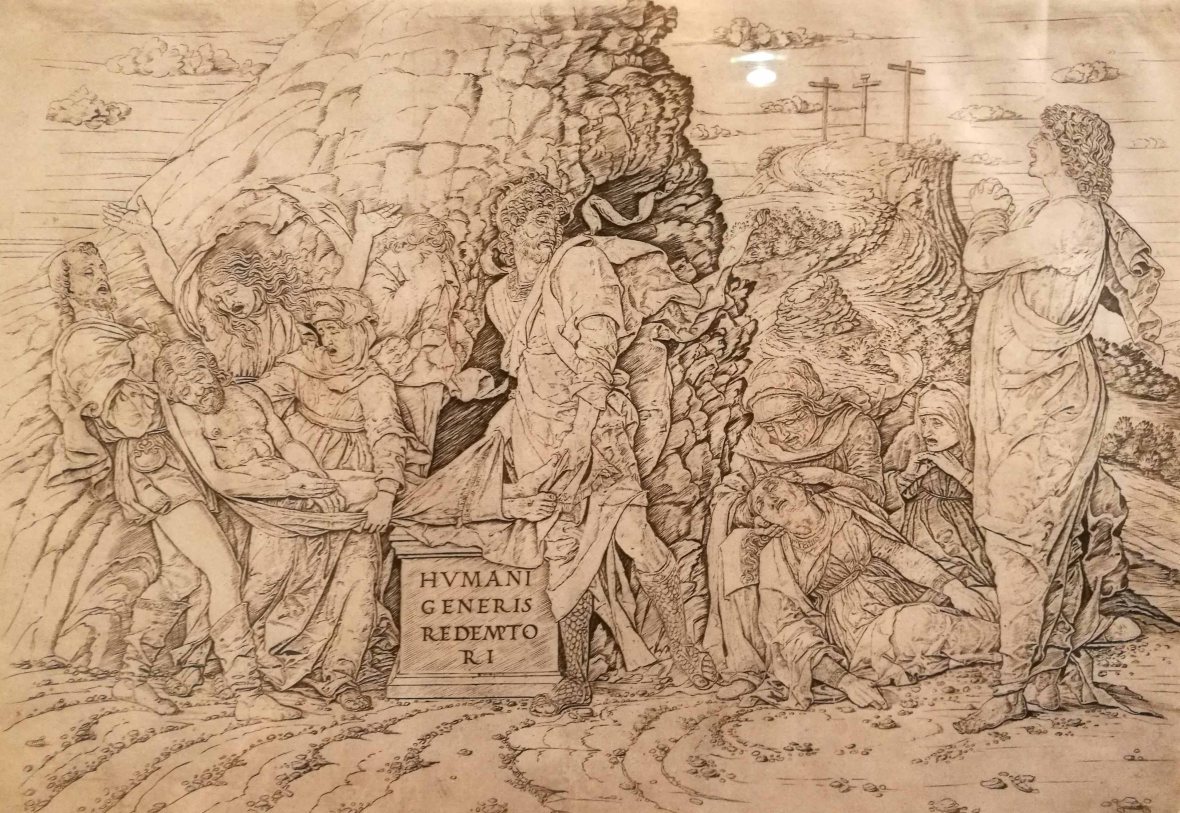
The Entombment of Christ 1470
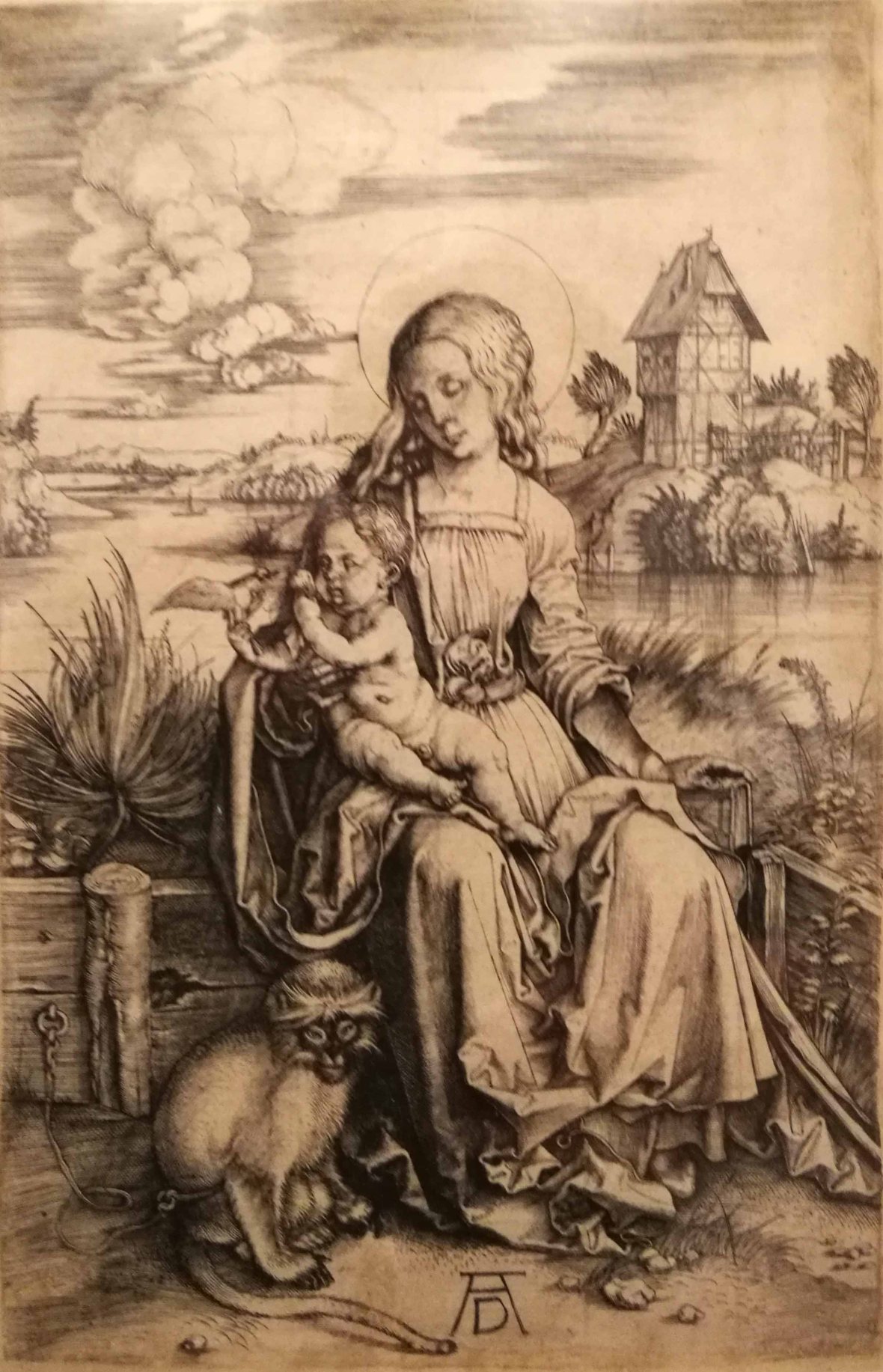
圣母玛利亚
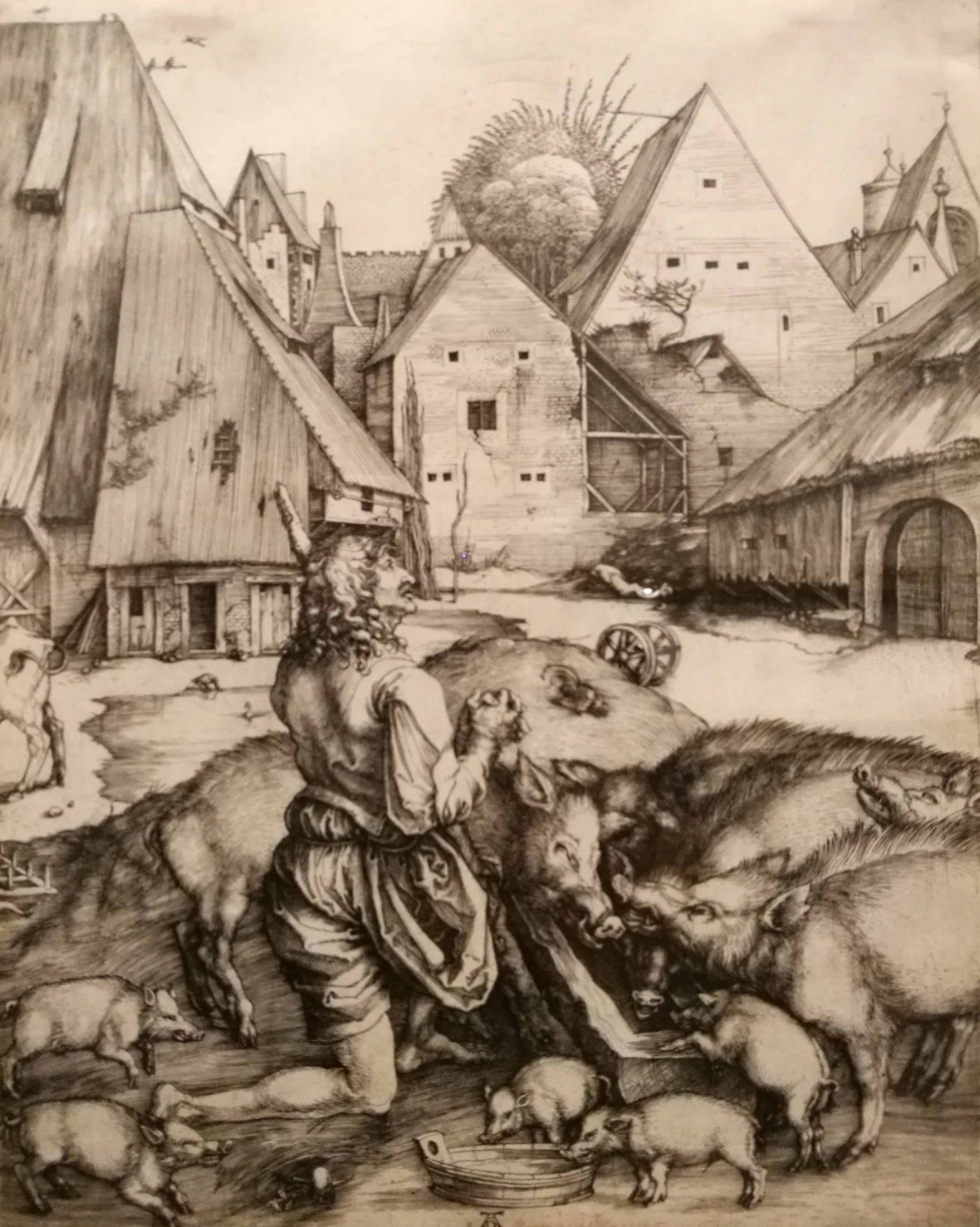
The Prodigal Son 1496
Prints made before 1501
Shortly after 100 BCE the Chinese invented paper by adapting techniques that had been used for centuries to create clothing and tents, Instead of animal hair (which they used to manufacture those commodities) they shredded plants to create fibers, mixed them with water, and used screens to deposit the felt, which, when drained, produced paper. This technique for making paper remains largely unchanged to this day. Almost 600 years before Europeans began making prints on paper, the Chinese were carving woodblocks to print pages of words and images.
The earliest European printers were those who worked by printing imagery on cloth, but they quickly changed their support material when the practice of paper making spread into continent via Spain in about 1150 and then to Italy by 1275, and finally arrived in northern Europe at the end of the 14th century. The very earliest prints were woodblock images of religious figures, particularly Mary and the Child Jesus. Many of these were pasted in illuminated devotional books (such as Books of Hours), and were thus preserved more effectively for being so protected.
Printed words and images made in Europe before the year 1501 belong to a special class of artifacts known as incunabula. The term is derived from a Latin word for swaddling clothes or cradle, and refers to the earliest stages or first traces of things. By 1588 the term was associated with printed books, pamphlets, and broadsides made in the 1 5th century- including block books whose text and images are carved in a single wooden printing block and typographic books that are made with individual pieces of movable type on a printing press, like the Gutenberg Bible of 1455.
The MMFA collection currently includes 18 incunabula. These woodcuts and engravings were made by Andrea Mantegna( Italian, ca. 1431-1506), Martin Schongauer (German, ca. 1445-1491), and Albrecht Durer (German, 1471-1528). They depict religious, mythological, and anecdotal subjects that were popular during the Renaissance arid they illuminate the visual culture of that age as well as the evolution of early printmaking techniques from woodcut to engraving.
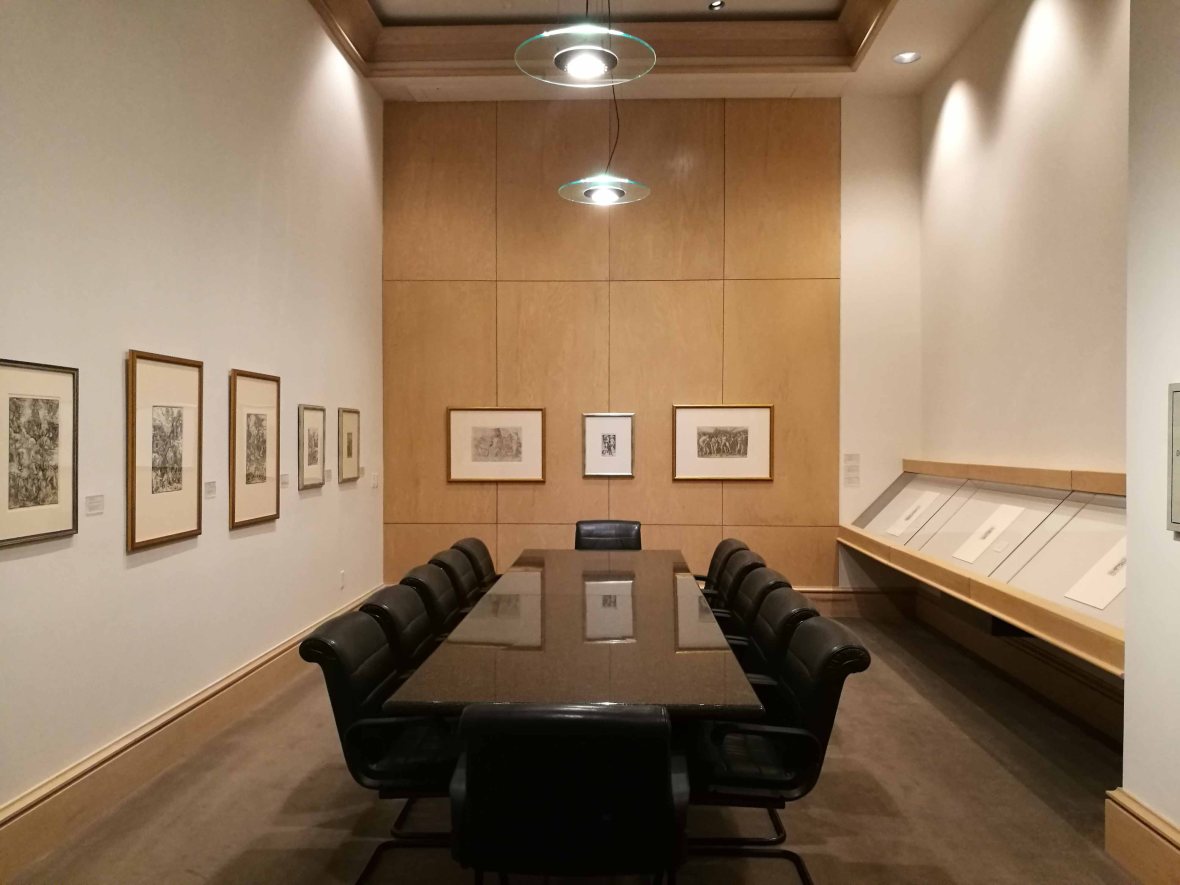
Incunabula
原文自MMFA内展,中译Hydy参考:
https://en.wikipedia.org/wiki/Incunable
 Trail of Hydynic